

As winter fades and temperatures increase, many property owners expect a welcome return to normal conditions. However, that relief can quickly turn into panic when snowmelt reveals a hidden nightmare. Water seeping through roofs and flooding basements can lead to thousands of dollars in damage.
Snowmelt damage becomes a silent threat that strikes when you expect it the least. Unlike sudden disasters, snowmelt occurs slowly and saturates structures over days, making the damage hard to spot at first. So far this year, extreme winter weather followed by rapid temperature swings have created ideal conditions for extensive snowmelt damage across the United States. This damage especially affects commercial properties with flat roofs and aging drainage systems.
Dealing with snowmelt damage can be an overwhelming process for business owners. Insurers often try to minimize these claims and argue that the damage resulted from poor maintenance rather than weather events. Therefore, understanding what snowmelt damage is and how a public adjuster protects your insurance claim is important.
What Is Snowmelt Damage?
Snowmelt damage occurs when accumulated snow melts and the resulting water infiltrates buildings, causing structural damage, interior destruction, and system failures. The freeze-thaw cycle creates ice dams, blocks drainage paths, forces water into cracks and weakens building exteriors.
Major winter storms in 2026 in the United States deposited record snowfall across multiple regions. The rapid warming that followed triggered widespread snowmelt, overwhelming drainage systems and causing millions in property damage.
Common Types of Snowmelt Damage in Commercial Properties
Roof and Drainage System Damage
- Ponding Water Accumulation: Gradual snowmelt can overwhelm roof drains and scuppers, allowing water to collect and increase structural loading.
- Ice Damming at Roof Edges: Refreezing meltwater can block drainage paths, forcing water beneath roofing materials.
Building Envelope and Foundation Damage
- Water Intrusion at Seams and Penetrations: Meltwater can infiltrate flashing, joints, and roof penetrations, leading to concealed moisture damage.
- Foundation Seepage and Hydrostatic Pressure: Saturated soil from prolonged snowmelt can drive water through foundation walls, cracks, and slab joints.
Interior and Finish Damage
- Ceiling and Wall Deterioration: Persistent leaks may cause staining, sagging, and degradation of interior finishes.
- Insulation Saturation: Moisture absorption reduces thermal performance and increases the risk of mold development.
Mechanical and Utility System Damage
- Flooded Lower-Level Systems: Meltwater infiltration can damage boilers, pumps, electrical panels, and elevator components.
- Freeze-Thaw Stress on Piping: Overnight refreezing during melt cycles can weaken plumbing systems, leading to pipe failures.
Site and Pavement Damage
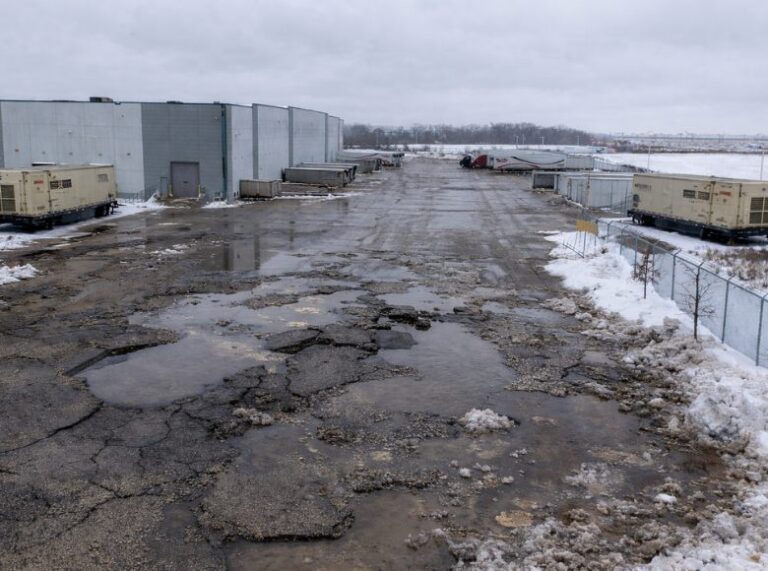
- Surface Cracking and Spalling: Repeated freeze-thaw cycles accelerate deterioration of concrete and asphalt surfaces.
- Drainage System Obstruction: Debris and ice buildup can restrict storm drains, causing water to back up onto paved areas.
Secondary Damage and Business Interruption
- Mold and Indoor Air Quality Concerns: Prolonged moisture conditions promote microbial growth and health risks.
- Operational Disruptions: Cleanup, repairs, and access limitations may result in temporary closures and increased operating costs.
What to Do After Discovering Snowmelt Damage
First, document everything with photos and videos showing water intrusion points, stained ceilings, and damaged inventory. Take reasonable steps to prevent additional damage, such as placing buckets under leaks and covering damaged roof sections but never make permanent repairs before your claim is approved.
Report the loss to your insurance company immediately. Delays can give insurers grounds to deny claims. Most importantly, contact a public adjuster for snow damage before accepting any settlement offer.
Understanding Insurance Claims for Snowmelt Damage
An insurance claim for snowmelt damage seeks compensation for property losses caused by melting ice and snow. Most commercial property policies cover snowmelt damage resulting from natural disasters or weather events. Damage occurring from maintenance neglect is typically excluded.
Insurance carriers frequently dispute these claims. They argue that the damage resulted from deferred maintenance or pre-existing conditions. They also use technical language and apply policy exclusions related to water or flooding damage to minimize payouts.
Standard coverage typically includes structural repairs, water damage restoration, destroyed inventory, damaged building systems, business interruption losses, and temporary relocation expenses. However, snowmelt damage claims face unique challenges, as insurance adjusters often seek to minimize damage severity and conduct superficial inspections that miss hidden water damage.
Why You Need a Snowmelt Damage Public Adjuster
Hiring a public adjuster levels the playing field when dealing with carriers that have teams working to minimize payouts. Public adjusters specializing in ice and snow damage insurance claims understand how to identify all damage categories, including hidden damage that may not be apparent for weeks.
These professionals document all losses thoroughly and prepare detailed estimates using current replacement costs. They understand insurance claim technicalities and are highly experienced in negotiating aggressively to maximize your settlement amount.
Get the Continental Adjusters Advantage
Continental Adjusters has decades of experience handling commercial snowmelt damage claims. Our experts have secured more than four billion dollars in settlements for our clients. We know how to fight for your rights, identify hidden damage, and help you achieve full recovery.
Our team conducts comprehensive property inspections using advanced moisture detection equipment, reviews your policy line by line, and prepares detailed documentation that insurers cannot easily dispute. Partnering with us results in settlements that are 70% to 200% higher than initial insurance offers.
Frequently Asked Questions About Snowmelt Damage Claims
Are commercial insurance policies different from residential coverage for snowmelt damage?
Yes. Commercial policies typically have different deductibles, coverage limits, and exclusions from residential insurance policies. They may also require specific endorsements for water intrusion, roof leaks, or business interruption. Coverage is often more complex and tailored to building use.
What areas of a commercial building are most vulnerable to snowmelt damage?
Roofs, gutters, downspouts, and foundation walls are the most vulnerable. Loading docks and exterior doors are also common entry points for meltwater. Poor drainage systems significantly increase the risk.
Can snowmelt damage affect structural integrity?
Yes. Repeated freeze-thaw cycles can weaken roofing materials, expand cracks in concrete, and deteriorate masonry. Over time, this may compromise the building’s structural components if left unaddressed.
How can snowmelt damage impact business operations?
Snowmelt damage can cause downtime, safety hazards, and inventory loss. Water intrusion may disrupt electrical systems and HVAC units. This can lead to temporary closures and revenue loss.
Do Not Face Snowmelt Insurance Claims Alone
When your property suffers snowmelt damage, do not wait for the problem to worsen. Contact Continental Adjusters today for a free consultation. Our team of experienced public adjusters will evaluate your losses, review your policy, and fight to recover every dollar you deserve. With proven expertise in snow and ice damage insurance claims and a strong track record of maximizing client recoveries, Continental Adjusters is the advocate you need. Your recovery starts with one call to Continental Adjusters.