

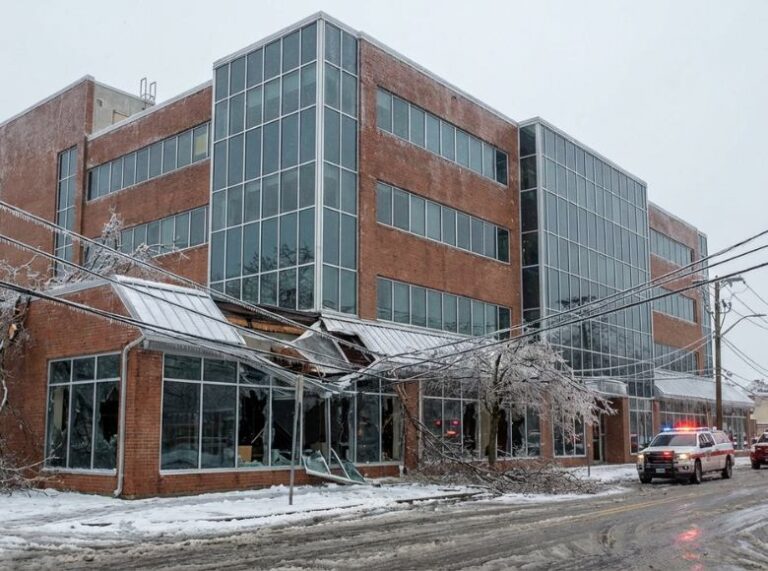
Freezing rain is one of the most destructive weather events in the United States. Unlike snow, which gently blankets rooftops, freezing rain can cause absolute havoc, turning properties into hazardous zones coated with thick layers of ice. This ice can snap power lines, collapse structures, and can lead to millions of dollars in damage within just a few hours.
The NOAA Billion-Dollar Weather and Climate Disasters report shows that in January 2024, a winter storm in the Pacific Northwest caused $1.1 billion in damage, with freezing rain and strong winds causing devastating damage to commercial properties. Such incidents are becoming increasingly common across the United States.
For commercial property owners, the true challenge begins after the ice melts, when insurance companies attempt to minimize claims, dispute coverage, and leave policyholders fighting for fair compensation. Policyholders who understand exactly what freezing rain is and how freezing rain insurance claims work are far more likely to receive the full recovery they deserve.
What Is Freezing Rain Damage?
Freezing rain occurs when precipitation falls as liquid water and freezes immediately upon contact with surfaces at or below 32 degrees Fahrenheit. A thick coating of ice adheres to everything, from roofs and trees to power lines and building exteriors.
Unlike snow, freezing rain is extremely dangerous because it accumulates rapidly and adds tremendous weight to structures. This excess weight can cause catastrophic failures that snow rarely produces.
According to research published in Weather and Forecasting, long-duration freezing rain events occur most commonly in the northeastern United States and southeastern Canada. However, recent winter storms have clearly demonstrated that freezing rain can strike unexpected regions such as Texas and the Pacific Northwest.
In 2024, 27 individual weather and climate disasters caused at least $1 billion in damage. Winter storm disasters were among the costliest. The National Weather Service reports that freezing rain and ice storms contribute to an average of more than $1.3 billion in property losses annually.
Common Types of Freezing Rain Damage
Structural Damage
- Roof collapse from ice weight accumulation
- Compromised load-bearing beams and trusses
- Damaged gutters and downspouts torn from buildings
- Cracked or shifted foundations from ice expansion
Utility & System Damage
- Ruptured water pipes from freezing temperatures
- Damaged HVAC systems and air-conditioning units
- Electrical system failures and power outages
- Downed power lines creating fire hazards
Interior & Contents Damage
- Water damage from melting ice intrusion
- Damaged ceilings, insulation, and drywall
- Destroyed inventory, equipment, and furnishings
- Compromised flooring and structural supports
Secondary & Hidden Damage
- Mold growth from prolonged moisture exposure
- Tree damage leading to property impact
- Ice dam formation causing water intrusion
- Long-term structural weakening not immediately visible
According to a report by the Insurance Information Institute, approximately $6 billion in damage resulted from winter storms in 2022, causing $3.5 billion in insured losses. As of 2022, water damage and freezing accounted for 27.6% of all home insurance claims. Major structural damage from ice accumulation can easily exceed six figures for commercial properties.
Immediate Steps to Take After Freezing Rain Damage
Step 1: Make Safety the First Priority
Never enter a structure until it is confirmed to be safe. Check for hazards such as gas leaks, downed power lines, and structural instability. If severe damage is detected, evacuate immediately and contact emergency services.
Step 2: Document Everything (Photos and Videos)
Do not touch or attempt to repair anything. Take photos and videos of all visible damage. Capture wide-angle shots and close-ups of ice accumulation, affected utilities, damaged equipment, and impacted areas. Date-stamp all documentation and securely store backups.
Step 3: Prevent Further Damage
Take reasonable steps to prevent additional losses, such as boarding broken windows and tarping damaged roofs. Shut off the water to prevent pipe bursts. Never make permanent repairs before claim approval. Keep all receipts.
Step 4: Report the Loss Immediately
Contact your insurer as soon as possible to report damage from freezing rain. Delays can lead to claim denials.
What Is a Freezing Rain Damage Insurance Claim?
A freezing rain damage insurance claim is a formal request submitted to an insurer after freezing rain damages a property. These claims typically fall under standard property insurance policies when damage results from weather events rather than neglect.
Freezing rain damage is often part of larger winter systems that also cause ice storm damage, particularly when freezing rain persists for extended periods or is accompanied by sleet, snow, and strong winds. While freezing rain tends to cause rapid ice buildup, ice storms generally result in prolonged outages, infrastructure failure, and widespread structural damage. Insurance carriers frequently evaluate freezing rain losses using the same standards as for ice storm damage claims.
Coverage usually includes structural damage, interior losses from water intrusion, damaged systems, and business interruption losses, where applicable.
However, freezing rain insurance claims often face scrutiny from insurers who argue that damage resulted from poor maintenance. Thorough documentation and professional representation are critical.
What Freezing Rain Insurance Typically Covers
- Structural repairs and restoration
- Roof and exterior damage from ice weight
- Water damage from frozen and burst pipes
- Interior damage from ice intrusion
- Additional living expenses during repairs
- Business interruption losses (with coverage)
- Contents and inventory replacement
What is Not Covered
- Pre-existing damage or deferred maintenance
- Damage from neglected repairs
- Flood damage (requires separate insurance)
- Landscaping and external non-structural elements
Common Mistakes That Reduce Claims
There are several common mistakes that can lead to claim delays or denials.
Underestimating Hidden Damage: Ice damage often extends beyond visible issues. Structural weakening and moisture intrusion may not appear for months. Quick inspections by insurance adjusters can miss these costly hidden damages.
Submitting Incomplete Documentation: Poor photographs and missing receipts give insurers a reason to reduce payouts.
Accepting Initial Offers: Many property owners accept the first settlement offer out of stress or financial pressure, often receiving only a fraction of the actual repair cost.
Missing Policy Deadlines: Strict reporting and filing timelines must be followed to avoid complete claim denials.
Why Freezing Rain Insurance Claims Get Denied or are Underpaid
Freezing rain damage insurance claims are often denied or underpaid when insurers dispute whether the damage was caused by freezing rain or pre-existing conditions.
Insurance adjusters working for carriers frequently undervalue repair costs, use outdated pricing data, apply policy exclusions aggressively, and conduct surface-level inspections that miss critical hidden damage, resulting in inadequate settlements.
How a Public Adjuster Maximizes Your Claim
A public adjuster works exclusively for policyholders, not insurers. These licensed professionals ensure all damage is identified, properly documented, and fully compensated.
Continental Adjusters is a trusted name in public adjusting, with decades of experience handling complex weather-related claims across the United States. Their professionals conduct thorough property inspections that uncover all damage categories, including hidden mechanical and structural damage that insurers often overlook.
The highly experienced team at Continental Adjusters prepares precise proof-of-loss documentation and handles all negotiations with insurance carriers to prevent low settlement offers.
Their track record speaks for itself. In disaster events similar to freezing rain damage, Continental Adjusters has secured settlements 70%–200% higher than initial insurance offers, helping policyholders recover millions in property damage losses.
FAQs
1. What are the effects of freezing rain?
Freezing rain coats surfaces with ice, leading to roof and gutter damage, fallen trees and power lines, cracked pipes, structural stress on buildings, vehicle damage, power outages, and hazardous travel conditions.
2. Is freezing rain damage covered under commercial property insurance?
Generally, yes. Commercial property insurance usually covers damage from freezing rain, ice, and burst pipes unless specifically excluded. Coverage depends on policy language and maintenance requirements.
3. How much does it cost to fix freeze damage?
Repair costs vary widely:
- Burst pipe repair: $500–$3,000
- Water damage restoration: $2,000–$10,000+
- Roof or structural ice damage: $3,000–$25,000+
Severe commercial or multi-area damage can exceed $50,000, depending on scope and materials.
Final Thoughts
Freezing rain damage can cause immediate destruction and long-term financial challenges. Understanding how freezing rain insurance claims work and properly documenting damage is essential to securing full compensation. However, navigating complex policy language and aggressive insurance tactics often requires professional expertise.
Don’t Let Freezing Rain Damage Turn into a Financial Disaster!
If your property has suffered freezing rain damage and you need expert guidance on freezing rain damage insurance claims, contact Continental Adjusters today. With over $4 billion in settlements recovered for clients nationwide, Continental Adjusters fights for your rights and helps you recover every dollar. Contact Continental Adjusters to schedule your consultation. Your recovery begins with one call.