

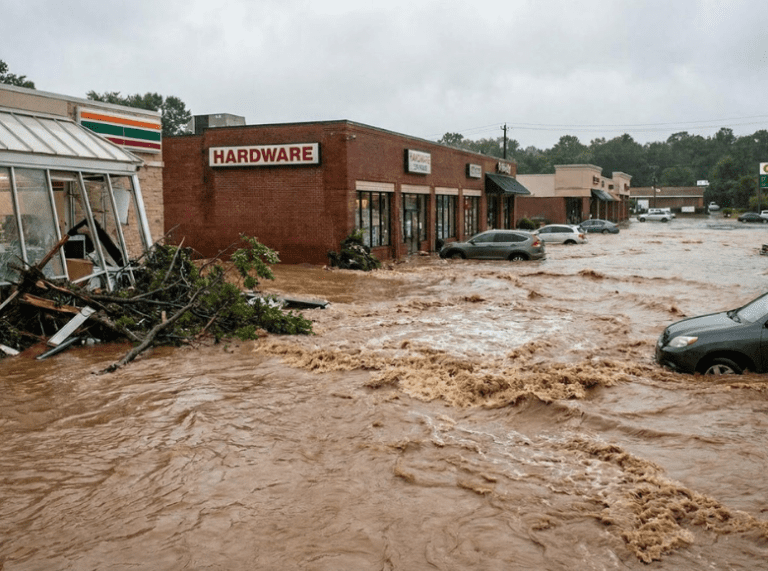
The sky opens, the rain pounds, and gutters overflow. Within minutes, water surges through streets, homes, and highways. Flash floods are among the most dangerous and destructive natural disasters in the United States devastating commercial properties. In early 2026, flash flood warnings continue to increase across the U.S. due to more frequent extreme rainfall events, urban development, and overwhelmed drainage systems, making preparedness more critical than ever.
Whether the water has just receded or you are still dealing with the aftermath, one question will define your financial recovery: Are you prepared to file a flood damage claim and fight for every dollar you have lost?
What Is a Flash Flood Warning?
A flash flood warning is issued by the National Weather Service when a flash flood is either predicted or already occurring in your area. Unlike a flash flood watch, which means conditions are favorable, a warning means you must act now.
Flash floods can develop in as little as six hours after heavy rainfall, a dam failure, or rapid snowmelt. As of February 2026, the National Weather Service continues to emphasize that many flash flood emergencies develop with little to no advance warning, particularly overnight or during fast-moving storm systems.
This danger was underscored in February 2026 when a powerful storm swept through parts of Southern California, bringing heavy rainfall, flash flood warnings, mudflows, and evacuation notices in vulnerable communities and demonstrating how quickly conditions can deteriorate when rapid flooding occurs.
What Are Flash Floods in Commercial Properties?
Flash floods in commercial properties are sudden, with little warning, when heavy rain rapidly enters business buildings such as offices, shops, warehouses, or malls.
They occur when drainage systems can’t handle the amount of water, causing rapid water buildup around or inside the property. Because water rises quickly, it can damage floors, equipment, electrical systems, and inventory, and disrupt business operations.
In short, a flash flood is a rapid, unexpected flooding event that can quickly affect commercial buildings and business operations.
Common Flash Flood Risks for Commercial Properties
Site and Drainage Vulnerabilities
- Overwhelmed Stormwater Systems: Intense rainfall can exceed drainage capacity, causing rapid surface flooding around buildings.
- Poor Site Grading: Inadequate slopes may direct water toward structures, increasing the risk of foundation and entry-point intrusion.
Foundation and Structural Risks
- Foundation Infiltration: Sudden water accumulation can penetrate cracks and joints, leading to basement and slab flooding.
- Soil Erosion and Undermining: Fast-moving water can wash away supporting soil, reducing foundation stability.
Building Envelope and Entry-Point Risks
- Door and Window Intrusion: Floodwaters can breach thresholds, loading docks, and window wells, allowing water to enter interior spaces.
- Sealant and Flashing Failure: High water pressure can compromise seals around penetrations and wall assemblies.
Interior and Contents Exposure
- Damage to Finishes and Inventory: Rapid flooding can destroy flooring, wall materials, equipment, and stored goods.
- Electrical System Exposure: Water contact with outlets, panels, and wiring creates safety hazards and operational shutdowns.
Mechanical and Utility System Risks
- Flooded Mechanical Areas: Boilers, chillers, pumps, and elevators located at lower levels are particularly vulnerable to sudden flooding.
- Sewer Backup: Overloaded municipal systems can reverse the flow of wastewater into the building, increasing contamination risks.
Operational and Business Impacts
- Immediate Business Interruption: Flash flooding often provides little warning, resulting in sudden closures and evacuations.
- Extended Recovery Time: Contamination, structural drying, and system repairs can significantly prolong downtime and increase costs.
Immediate Steps to Take After Flash Flood Damage
Step 1: Prioritize Safety
Do not attempt to re-enter your property until it has been declared safe by authorities. Floodwater is often electrically charged and heavily contaminated.
Step 2: Document Everything Before Cleanup
It is very important to document everything before beginning cleanup. This is one of the most important steps in filing an insurance claim. Before removing or repairing anything, take photographs and videos of all damage. Capture close-ups of damage, water lines on walls, and affected belongings. Ensure all files are date-stamped and saved in multiple locations.
Step 3: Prevent Further Damage
Once you have documented everything, you may begin mitigation efforts. Cover openings, remove standing water, and start drying the property. Keep every receipt for emergency repairs and temporary services, as these costs are often reimbursable.
Step 4: Contact Your Insurance Company Immediately
Delays can complicate or even derail your flood damage claim. Contact your insurance company as soon as possible. Request a full copy of your insurance policy and written details on deadlines and claim procedures.
Step 5: Hire a Public Adjuster Before the Insurance Adjuster Arrives
The insurance adjuster works for the insurer, not for you. Hiring a public adjuster for a flood claim means having an expert who represents your interests. These professionals work exclusively for you to help maximize your payout.
Why Flash Flood Claims Are Often Denied or Underpaid
Insurance carriers aim to minimize payout amounts. They may dispute whether the damage was caused by the flood event or classify it as a pre-existing condition. They may deploy adjusters to negotiate aggressively and use complex technical language to enforce exclusions. Overwhelmed by the extent of the damage, property owners often accept the first offer they receive.
A professional public adjuster for flood damage reviews the policy, documents every loss with precision, and negotiates with the insurer on your behalf.
How Continental Adjusters Helps Maximize Flood Insurance Settlements
Continental Adjusters has recovered more than 4 billion dollars in settlements for policyholders across the nation. The firm has a team of experienced public adjusters and forensic accountants who handle every aspect of complex flood and water damage claims. They manage everything from thorough inspections and documentation to assertive negotiation with insurers.
When you hire a public adjuster for a flood claim through Continental Adjusters, you are not simply filing paperwork. You are protecting your financial recovery with professional representation.
FAQs
Should I hire a public adjuster for flood damage?
You should consider hiring a public adjuster if your flood damage is significant, your claim is complex, or you believe the insurance company’s estimate is too low. They represent you, not the insurer, and can help document and negotiate your claim properly.
Can a public adjuster reopen a flood claim?
Yes, in many cases, a public adjuster can help reopen a flood claim if new damage is discovered, documentation was incomplete, or you believe the settlement was underpaid. Reopening usually depends on policy terms and time limits.
How much does a public adjuster cost?
Public adjusters typically charge a contingency fee, often between 5 per cent and 20 per cent of the final settlement amount. The exact percentage depends on state regulations, claim size, and complexity.
Can a public adjuster increase my settlement?
In many cases, yes. A public adjuster may increase your settlement by thoroughly documenting damage, identifying overlooked losses, and negotiating more effectively with the insurance company. However, results vary depending on the specifics of the claim.
Final Thoughts
Flash floods do not wait, and neither should you. The difference between a devastating loss and a full financial recovery often comes down to how quickly and strategically you act. When the waters recede, the real work begins. Protect your property, protect your business, and make sure every dollar you are owed is properly claimed and recovered.
Do Not Let Flash Flood Damage Jeopardize Your Financial Future
If your property has been damaged by a flash flood or if you need complete guidance on your flood insurance coverage, contact Continental Adjusters today. Visit continentaladjusters.com or call the team now. They serve clients nationwide and do not get paid unless you do. Get in touch with us today.