

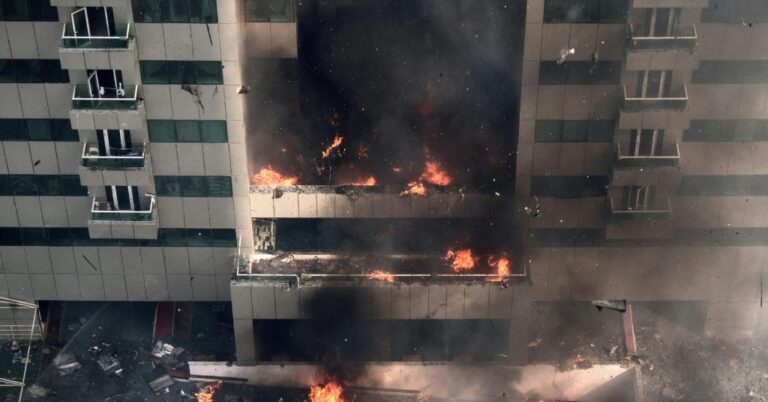
Experiencing a commercial fire can be devastating, both operationally and financially. As a business owner, understanding how to navigate a fire insurance claim properly is essential to protecting your company’s recovery. Whether you manage a small business or oversee multiple commercial properties, knowing the proper steps can dramatically improve your settlement outcome.
Below are the latest fire insurance claim tips for 2025—practical, professional, and essential for any business owner seeking a strong recovery after a fire.
1. Document the Damage Immediately and Thoroughly
One of the most critical steps in any fire insurance claim guide is comprehensive documentation. Before cleanup begins, record all visible damage.
What to do:
- Take high-resolution photos and videos of structural damage, equipment, inventory, and contents.
- Keep records of temporary repairs, emergency mitigation work, and receipts.
- Maintain a detailed list of all damaged items, including purchase dates and estimated values.
Accurate documentation ensures your insurer has verifiable evidence, reducing disputes and helping you secure the full coverage you are owed.
2. Review Your Policy Before Filing
Commercial insurance policies can be complex. Before officially filing a claim, take time to review your policy’s structure, limitations, and endorsements.
Key areas to review:
- Coverage limits for buildings, contents, and equipment
- Business interruption provisions
- Additional living expense or extra expense coverage
- Exclusions, deductibles, and special conditions
Understanding your policy upfront helps you avoid delays and positions you to file a strong, well-supported claim.
3. Notify Your Insurer Promptly and Use Precise Language
Insurance carriers have strict reporting timelines. As soon as the fire occurs—and once safety is confirmed—notify your insurer.
When communicating with insurers:
- Provide factual, concise descriptions
- Avoid speculation about cause
- Refer to the event as a “loss occurrence” or “fire loss”
- Keep all communications documented and organized
A prompt, explicit notification ensures your claim is not questioned or delayed by missed deadlines or unclear reporting.
4. Avoid Premature Repairs Without Approval
After a fire, it’s natural to want to start repairs immediately. However, making repairs before the insurer inspects the site can jeopardize your claim.
Best practices:
- Only conduct emergency mitigation work (e.g., boarding up, tarping, water removal).
- Do not dispose of damaged materials unless essential for safety.
- Wait for written approval from the insurance adjuster before beginning reconstruction.
Following these steps protects evidence needed for evaluation and avoids coverage disputes.
5. Work With a Professional Public Adjuster or Claims Expert
Commercial fire claims are often complex and involve significant financial stakes. Many business owners turn to a licensed public adjuster or claims expert to help manage the process.
Benefits include:
- Detailed policy analysis and claim preparation
- Accurate valuation of structural, equipment, and inventory losses
- Negotiation with the insurance company on your behalf
- Maximizing your settlement while reducing stress and time commitment
Partnering with a professional ensures your interests—not the insurer’s—take priority.
People Also Ask: Commercial Fire Insurance Claim FAQ
How long does a commercial fire insurance claim usually take?
A commercial fire insurance claim typically takes anywhere from 30 to 90 days, but complex claims—especially those involving structural damage, equipment loss, or business interruption—can take several months. Timelines vary based on the extent of the damage, the speed of documentation submission, the insurer’s responsiveness, and whether disputes arise over coverage or valuation.
Larger commercial claims often require multiple inspections, detailed inventory lists, engineering reports, and financial documentation, which can extend the process.
Can I clean or repair the damage before the adjuster arrives?
You should not begin full cleanup or permanent repairs before the insurance adjuster inspects the property. Altering or removing damaged materials too early can jeopardize your claim, as the insurer may argue they cannot properly evaluate the loss.
However, you can and should take emergency mitigation steps, such as:
- Boarding up openings
- Tarping roofs
- Removing water
- Preventing further damage
Document everything thoroughly with photos, videos, receipts, and written notes.
What documentation do I need to file a claim?
Filing a strong fire insurance claim requires clear, organized documentation. Business owners should prepare:
- Photos and videos of all visible damage
- Inventory lists with item descriptions, quantities, and values
- Receipts, invoices, and purchase records for damaged equipment and contents
- Estimates from contractors for repair or replacement
- Financial statements for business interruption claims
- Emergency repair receipts
- Insurance policy copies and endorsements
The more precise and complete your documentation, the stronger and faster your claim process will be.
What is business interruption coverage, and how does it help?
Business interruption coverage compensates you for lost income and operating expenses when your business cannot operate due to a covered fire loss. It is a critical part of a commercial fire insurance policy.
It may cover:
- Lost profits based on historical financials
- Ongoing expenses (rent, utilities, payroll)
- Temporary relocation costs
- Extra expenses are needed to keep the business running
This coverage helps maintain financial stability while repairs are being completed.
What causes claim delays?
Several factors can slow down commercial fire claim processing, including:
- Insufficient or incomplete documentation
- Disputes over coverage or cause of loss
- Delays in scheduling inspections
- Large-scale disasters affecting multiple policyholders
- Unclear communication between business owners, contractors, and the insurer
- Understaffed insurance companies
- Complex structural and financial evaluations
Being organized, proactive, and professionally represented can significantly reduce delays and improve your settlement outcome.
Final Thoughts
Handling a commercial fire insurance claim requires clarity, documentation, and strategic planning. By following these latest fire insurance claim tips for 2025, business owners can strengthen their claim, minimize interruptions, and accelerate financial recovery.
Why Work with Continental Adjusters?
Handling a commercial fire claim alone puts you at a disadvantage. Insurance companies protect their interests—not yours. At Continental Adjusters, we level the playing field.
We handle everything for you:
✔ Full damage assessment
✔ Policy review & interpretation
✔ Complete claim preparation
✔ Accurate valuation of losses
✔ Business interruption calculations
✔ Direct negotiation with your insurer
✔ Maximized settlement outcomes
You deserve a team that advocates solely for you, not the insurance company.
Ready to Protect Your Business and Maximize Your Fire Insurance Claim?
Don’t leave money—and your business’s future—on the table. Let the experts at Continental Adjusters handle the complexity while you focus on getting your operations back on track.