

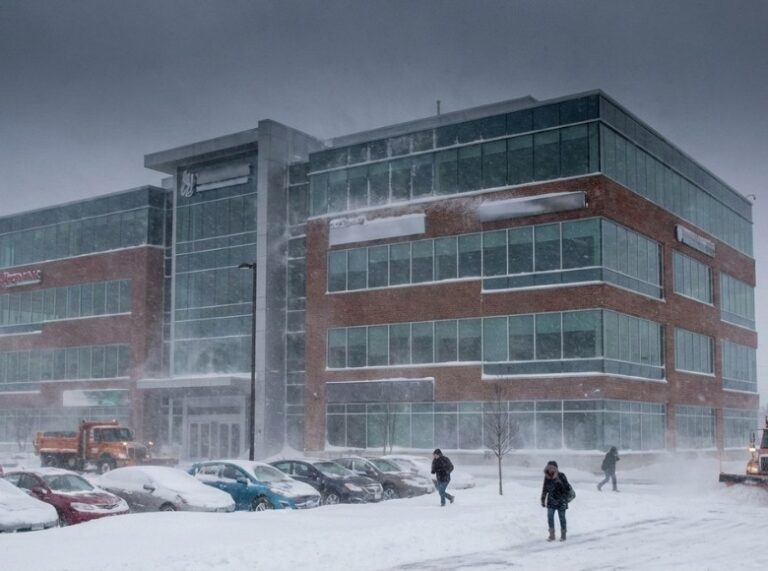
Winter storms can cause extensive damage, especially in areas like Texas, where extreme weather is less common. As businesses and commercial property owners prepare for the unpredictable nature of these storms, understanding how to manage insurance claims properly is crucial.
A winter storm can lead to severe damage such as burst pipes, roof damage, and property flooding. In preparation for the potential of a winter storm in 2026, knowing what to do (and what not to do) when filing a winter storm insurance claim can save you time, money, and stress. In this guide, we’ll highlight some of the most common mistakes people make in winter storm insurance claims and how to avoid them.
What is a Winter Storm?
A winter storm is a weather event that brings severe cold, snow, sleet, and freezing rain. These storms can occur with little warning, leading to dangerous road conditions, power outages, and, in some cases, significant damage to structures and property. In Texas, where winter storms are less frequent but can still be devastating, the impacts can be especially severe because buildings are not designed to withstand these conditions. As commercial property owners, it is essential to be prepared and ensure your insurance policy covers such events.
What is Winter Storm Insurance?
Winter storm insurance typically refers to the provisions in a commercial property insurance policy that protect against damages caused by winter weather events. This could include damage from snow accumulation, ice, freezing temperatures, and other storm-related impacts. Commercial property insurance often covers damages to buildings, inventory, and equipment, but it’s essential to review your specific policy for exclusions or limits regarding winter storm damage.
Having a solid understanding of your Winter Storm Insurance is essential for making sure that you’re covered in the event of a major winter weather event. Many policies also include additional coverage options, such as business interruption or flood damage, which may be relevant in the aftermath of a winter storm.
Common Mistakes to Avoid in Winter Storm Insurance Claims
Filing an insurance claim after a winter storm is a delicate process, and making errors can delay your payout or lead to a denied claim. Below are some of the most common mistakes to avoid when handling a winter storm insurance claim in Texas.
1. Delaying the Claim Filing Process
One of the most frequent mistakes is failing to file a claim promptly. After a winter storm, the damage can escalate quickly, and insurance companies often have time limits for reporting damages. Insurance policies typically require you to notify your provider within a certain timeframe, usually between 30 and 60 days after the storm. Failing to file on time could result in a denial of your claim.
Make sure to contact your insurance company as soon as possible after the storm to initiate the claims process. In the case of a winter storm, quick action is crucial to avoid further damage and ensure the filing process goes smoothly.
2. Not Documenting the Damage Properly
Another common mistake is failing to document the damage thoroughly. Your insurance adjuster will require detailed evidence of the damage to assess the claim accurately. Without sufficient documentation, it can be difficult to prove the extent of the damage and secure fair compensation.
Take photos and videos of all damage to your property, both inside and outside. Capture wide shots to show the overall destruction as well as close-ups of specific damages. If possible, note the time and date of when the damage occurred. This documentation will be helpful when working with a storm damage adjuster to ensure you get the compensation you deserve.
3. Failing to Mitigate Further Damage
Once you’ve experienced winter storm damage, it’s your responsibility to mitigate any further damage. If, for example, pipes have burst or your roof is leaking, you should make temporary repairs (such as using a tarp to cover the roof or turning off the water supply) to prevent further destruction.
If you neglect to take reasonable steps to reduce the damage, the insurance company may argue that the damages were exacerbated due to your negligence, possibly reducing your payout. Always document these actions and keep receipts for materials or professional help used for temporary repairs.
4. Not Understanding Your Policy’s Coverage
Winter storm coverage varies by policy, so it’s vital to review your insurance contract carefully. Some commercial property policies may exclude certain types of storm-related damage, such as flooding or ice damming. Understanding what is covered (and what is not) will help you avoid surprises when filing a claim.
If you’re unsure about the details of your policy, consider consulting a public adjuster. They can help explain your coverage and ensure you’re filing your claim properly.
5. Underestimating the Importance of an Independent Adjuster
Many people rely solely on their insurance company’s adjuster to assess damages, but this can sometimes result in a lower payout than you’re entitled to. Insurance adjusters represent the insurer, not you, and their primary goal is to minimize the payout to the company.
Hiring a public adjuster or an independent storm damage adjuster can help ensure your interests are properly represented. A public adjuster works on your behalf, providing a detailed assessment of the damages and negotiating with the insurance company to maximize your payout.
6. Not Keeping Detailed Records of Communication
Throughout the claims process, it’s important to maintain a record of all communications with your insurance company, adjusters, contractors, and other relevant parties. This includes emails, phone call records, receipts, and written statements. Having a clear and organized record will help you keep track of the process and protect you if any issues arise.
7. Misunderstanding the Role of Business Interruption Coverage
In the aftermath of a winter storm, your business might be forced to close temporarily due to the damage. Business interruption coverage is designed to help you recover lost income during this period. However, some businesses may overlook this aspect of their insurance policy.
If your policy includes business interruption coverage, make sure to file for this as part of your winter storm insurance claim. Having a comprehensive understanding of what’s included in your policy can provide you with financial support during downtime caused by storm damage.
People Also Ask
Does Insurance Cover Winter Storm Damage?
Yes, most commercial property insurance policies do cover winter storm damage, but the specifics vary depending on your individual policy. It’s essential to check whether your insurance covers specific types of damage, such as flooding or roof collapse caused by snow accumulation.
How Long After a Storm Can You File an Insurance Claim?
Most insurance policies require you to file your claim within a specific period after the storm, usually between 30 to 60 days. However, it’s best to report the damage as soon as possible to avoid potential issues.
How Do Insurance Companies Decide How Much to Pay Out?
Insurance companies evaluate the extent of the damage by sending an adjuster to inspect your property. They assess the repair or replacement costs based on the type and severity of the damage. They also review your policy for coverage limits and exclusions.
Should I Hire a Public Adjuster for Winter Storm Damage in Texas?
Hiring a public adjuster can be a wise choice if you’re dealing with significant winter storm damage. They represent your interests and can help you get a fair payout. Public adjusters are experienced in navigating the insurance claims process and can often secure a higher payout than what the insurance company initially offers.
Final Thoughts
Dealing with the aftermath of a winter storm can be stressful, but understanding your winter storm insurance policy and avoiding common mistakes can make the claims process much smoother. In the event of a winter storm, it’s essential to act quickly, document the damage, and ensure that you take steps to mitigate further losses.
By working with a skilled public adjuster, you can maximize your claim and get the compensation you deserve. Continental Adjusters is here to assist with all your storm damage needs, providing expert advice and claim assistance to help you recover quickly and efficiently. Reach out to Continental Adjusters today to get professional guidance and support for your winter storm insurance claims in Texas.
Why Choose Continental Adjusters?
At Continental Adjusters, we specialize in representing commercial property owners in winter storm insurance claims in Texas. As experienced public adjusters, we understand the challenges businesses face after winter storm damage and work exclusively on your behalf—not the insurance company.
Our team carefully documents all storm-related losses, prepares strong claims, and negotiates directly with insurers to help secure the maximum settlement your policy allows. We handle the complex insurance process from start to finish, so you can focus on restoring your property and resuming business operations.
Contact Continental Adjusters today for professional insurance claim assistance and expert representation. Let our experienced adjusters protect your commercial property and guide you through every step of the winter storm insurance claim process with confidence.