

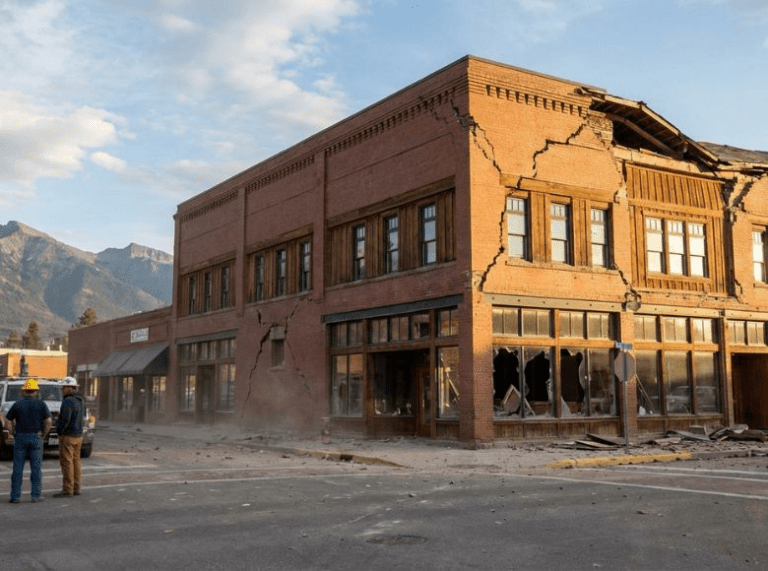
Montana is one of the most seismically active states in the United States. While many people think of California first, Montana actually ranks in the top ten for earthquake risk. The western part of the state sits on the Intermountain Seismic Belt. This area experiences hundreds of small tremors every year and has a history of major quakes that cause significant structural damage.
For owners of commercial property, an earthquake is a major threat to both the building and the business inside. Standard commercial property insurance does not cover damage from earth movement. You must have a specific earthquake policy or an added endorsement. Even if you have the right coverage, getting a fair payout from an insurance company is a difficult process.
This is where a public adjuster becomes an essential resource. Acting on behalf of the policyholder rather than the insurance company, a public adjuster works to identify, document, and support every covered loss. Their role helps ensure that earthquake damage is properly evaluated and that claims are handled fairly in accordance with the insurance policy terms.
Understanding Earthquake Damage to Montana Properties
Earthquake damage refers to physical loss caused by ground shaking, soil displacement, and aftershocks that stress buildings beyond their design limits. In Montana, seismic activity can affect foundations, framing systems, roofs, masonry, and critical utilities. While the state is not commonly considered high-risk, recorded seismic events indicate that earthquakes are a legitimate concern.
For example, a magnitude 4.2 earthquake occurred near Great Falls, Montana, and was felt across a wide area. Earthquakes of this size can cause noticeable shaking and may cause structural stress, especially in older buildings or those without seismic reinforcement. Even when damage appears minimal at first glance, underlying issues often emerge later.
Hidden damage, such as foundation shifting or loosened connections may take weeks or months to surface. If left unaddressed, these issues can escalate repair costs and complicate insurance claims.
Common Types of Earthquake Damage in Commercial Buildings
Structural and Foundation Damage
- Foundation Cracking and Settlement: Seismic movement can cause foundations to crack or shift unevenly, undermining the overall structural stability.
- Framing and Load-Bearing Damage: Columns, beams, and structural walls may bend, separate, or fracture, increasing long-term safety risks.
Roof and Interior System Damage
- Roof Misalignment: Earthquakes can displace roof trusses and supports, leading to sagging, leaks, or partial failure.
- Interior Separation: Cracks in drywall, displaced ceiling tiles, and gaps at joints often indicate underlying structural issues.
Exterior and Masonry Damage
- Facade and Masonry Failure: Unreinforced masonry, parapets, and decorative elements are particularly vulnerable to cracking or collapse.
- Window and Door Distortion: Shaking can warp frames, shatter glass, and misalign doors, reducing security and energy efficiency.
Utility and Mechanical System Damage
- Plumbing and Gas Line Breaks: Disruptions can cause leaks, flooding, or fire hazards.
- Electrical and HVAC Damage: Panels, wiring, and mechanical systems can shift or fail, creating operational and safety concerns.
Secondary Damage and Business Disruption
- Water and Fire Damage: Broken utilities can trigger secondary losses, significantly increasing repair costs.
- Business Interruption: Even minor damage can lead to temporary closures, resulting in lost revenue and increased expenses.
Factors That Increase Earthquake Damage Risk in Montana
Several conditions can amplify earthquake-related losses:
- Limited Seismic Reinforcement: Buildings not designed for seismic loads are more susceptible to damage.
- Aging Construction Materials: Older structures often rely on materials that are less effective at absorbing seismic stress.
- Deferred Maintenance: Unaddressed wear and tear can worsen earthquake damage.
- Large or Wide-Span Designs: Buildings with expansive open spaces or heavy roofs are more prone to shifting and collapse.
Why Earthquake Insurance Claims Are So Complex
Earthquake insurance operates separately from standard property insurance and often comes with strict limitations. Policies typically include high deductibles, narrow definitions of covered damage, and exclusions for certain structures or contents. Coverage for buildings, contents, and business interruption is usually segmented, adding another layer of complexity.
Insurance carriers frequently question whether damage resulted directly from seismic activity or from pre-existing conditions. Because earthquake damage is often hidden, initial inspections may underestimate the true scope of loss. Without proper advocacy, property owners risk receiving settlements that fall far short of actual repair costs.
The Role of a Public Adjuster in Earthquake Insurance Claims
A public adjuster is a licensed professional who works exclusively for the policyholder. Their mission is to manage the entire claims process and pursue the maximum settlement allowed under the policy. Unlike insurance company adjusters, public adjusters have no obligation to minimize payouts.
With expertise in earthquake-related losses and policy interpretation, public adjusters act as advocates, strategists, and negotiators throughout the claim.
How a Public Adjuster Helps Maximize Your Earthquake Settlement
Comprehensive Damage Inspection
Public adjusters perform in-depth inspections that go beyond surface-level damage. They evaluate foundations, structural systems, roofing, utilities, and interior components affected by seismic movement. Early identification of hidden damage protects both the property and the claim’s value.
Detailed Claim Documentation and Valuation
Accurate documentation is critical. Public adjusters compile photographs, videos, written assessments, and repair estimates based on local construction costs. When necessary, they coordinate with engineers or other experts to substantiate structural damage claims.
Policy Review and Coverage Analysis
Earthquake policies are technical and restrictive. A public adjuster analyzes coverage, exclusions, and deductibles to ensure all eligible losses are included. This may involve structural repairs, replacement of contents, code upgrades, and additional living or business expenses.
Skilled Negotiation with Insurance Carriers
Initial settlement offers often undervalue earthquake losses. Public adjusters negotiate directly with insurers using evidence-backed valuations and precise policy language. Their experience helps prevent underpayment and unnecessary delays.
Business Interruption and Additional Expense Claims
For commercial properties, earthquakes often disrupt operations. Public adjusters calculate lost income and extra expenses using financial records to support full business interruption claims.
When to Hire a Public Adjuster After an Earthquake
Engaging a public adjuster early is especially beneficial when:
- Structural or hidden damage is suspected
- The claim involves significant financial loss
- The insurer disputes the cause or extent of damage
- Settlement offers do not cover full repair costs
Early involvement helps preserve evidence, avoid documentation errors, and strengthen the overall claim.
How Continental Adjusters Supports Earthquake Claims in Montana
Continental Adjusters assists Montana property owners throughout the earthquake claims process, providing support from initial damage assessment through final settlement. Their team identifies both visible and hidden damage, prepares detailed claim documentation, evaluates policy coverage, and negotiates directly with insurance carriers on behalf of policyholders.
Beyond earthquake claims, Continental Adjusters has a documented history of increasing commercial property settlements following natural disasters. In one publicly reported case involving hailstorm damage to a shopping center, the insurer’s initial offer of 5 million dollars was significantly increased. Through comprehensive damage analysis, thorough documentation, and effective negotiation, Continental Adjusters secured a final settlement of $ 8.4 million, a 66% improvement over the original offer.
This example demonstrates how their methodical approach can uncover additional covered losses, accurately value structural damage and business interruption, and help commercial property owners achieve a more complete financial recovery after a natural disaster.
Frequently Asked Questions About Earthquake Insurance in Montana
What does earthquake insurance typically cover?
It typically covers direct physical damage from seismic activity, including damage to structural components. Coverage may also include contents, additional living expenses, and business interruption, depending on the policy.
Is earthquake damage always visible right away?
No. Many issues, such as foundation movement or compromised framing, may appear weeks or months later.
Why do insurers dispute earthquake claims?
Disputes often arise when insurers attribute damage to pre-existing conditions or maintenance issues rather than seismic activity.
Can a public adjuster help with business interruption losses?
Yes. Public adjusters calculate and document lost income and extra expenses to support accurate business interruption claims.
Do older Montana buildings face a higher risk?
Yes. Older structures often lack modern seismic reinforcements, making them more vulnerable to earthquake damage.
Final Thoughts
Earthquake damage can place immense financial and emotional strain on Montana property owners. Hidden losses, high deductibles, and restrictive policy language often complicate recovery. Navigating this process alone increases the risk of underpayment and prolonged disputes.
Working with a qualified public adjuster provides expertise, advocacy, and clarity. With professional support, property owners can protect their investments, avoid costly mistakes, and secure a fair and complete insurance recovery after an earthquake. Contact Continental Adjusters today.