

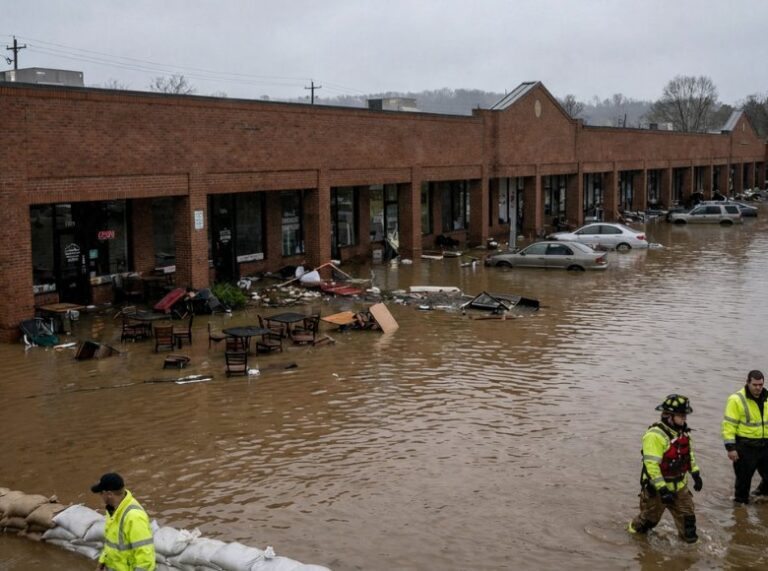
In 2026, natural calamities such as heavy rain, hurricanes, and rising floodwaters are affecting businesses more often than ever before. Flood damage is no longer an unexpected event. Many businesses across the country now face flooding caused by extreme weather and failing drainage systems. Even a small flood can damage buildings, equipment, inventory, and critical business areas.
When a natural calamity causes flooding, the effects can be long-lasting. Businesses may be forced to stop operations, resulting in lose customers/revenue and large amounts of money spent on repairs. The stress does not end there. Dealing with insurance claims after a flood can be confusing and time-consuming. Many business owners do not realize they may receive less compensation than their actual damages cost.
To fully recover, it’s important to understand how flood damage impacts your business and how the insurance process works. Knowing your rights and the role of public adjusters can help protect your business from unnecessary financial losses.
What Is Flood Damage?
Flood damage happens when excess water enters a property, causing harm to structures, systems, contents, and surrounding areas. Unlike water damage from internal sources such as burst pipes, flood damage comes from external sources, such as heavy storms, river overflows, storm surges, or failed drainage systems. Even a small amount of floodwater can have serious consequences, and the financial impact can be staggering.
Government data shows that flooding caused more than eight billion dollars in damage to homes and businesses in 2024 alone (source). Across the United States, floods impose an economic burden ranging from 179.8 billion dollars to 496 billion dollars each year, including property damage, lost business income, and infrastructure losses (source). In 2024, the National Flood Insurance Program paid over 101,000 claims totaling nearly 7.96 billion dollars, showing that many policyholders still faced underpayments or claim denials.
These numbers show that flood damage affects not only property but also finances and long-term recovery. For property owners seeking full compensation after a flood, understanding the risks and seeking professional help are essential.
Common Types of Flood Damage
Structural Damage
- Foundation erosion, cracking, and settlement
- Wall deterioration and drywall destruction
- Roof damage from water infiltration
- Floor warping, buckling, and collapse
- Window and door frame compromise
System and Utility Damage
- HVAC system failure and contamination
- Electrical system shorts and fire hazards
- Plumbing system backups and contamination
- Sewage system overflow (note: typically not covered by flood insurance)
Interior and Contents Damage
- Furniture, equipment, and inventory destruction
- Document and electronic data loss
- Appliance malfunction and failure
- Personal property and belongings
Secondary and Hidden Damage:
- Mold and mildew growth (often emerging within 24–48 hours)
- Bacterial contamination and health hazards
- Ongoing structural weakness
- Soil erosion affecting property stability
What is a Flood Damage Insurance Claim?
A flood damage insurance claim is a request a business makes to it’s insurance company to be paid for losses caused by flooding. This can include damage to buildings, equipment, inventory, or lost income if your business has to stop operations. After a flood, the business documents the damage, provides proof, and submits it to the insurer. The insurance company then reviews the claim and decides how much to pay based on the policy coverage.
Filing a claim can be complicated because insurers may not always include every type of damage or may undervalue the loss. That is why many businesses work with public adjusters, who help ensure the claim accurately reflects the actual damage and assist the business in obtaining the maximum payout allowed under the policy.
The Hidden Truth About Flood Insurance Coverage in 2026
Many property owners do not realize until disaster strikes that commercial property insurance policies do not cover flood damage. Flood coverage requires a separate policy through the NFIP, or National Flood Insurance Program.
Currently, the NFIP provides coverage to 4.7 million policyholders nationwide, offering up to $1.3 trillion in total coverage. However, coverage remains alarmingly low. Approximately 25% of all flood insurance claims originate from low- to moderate-risk areas. These properties are often considered safe by owners, leading them to forgo flood insurance protection.
Understanding NFIP Risk Rating 2.0
Since April 2023, FEMA has fully implemented Risk Rating 2.0, a pricing methodology that calculates flood insurance premiums based on individual property characteristics rather than broad geographic zones. This system evaluates:
- Distance from water sources
- Type and frequency of flooding
- Foundation type and lowest floor height
- Prior claims history
- Structure replacement cost value
- Pluvial flood risk (heavy rainfall flooding)
Why Flood Damage Insurance Claims Are Denied or Underpaid
Many policyholders receive settlements far below the actual recovery they deserve. Insurers employ adjusters and utilize multiple strategies to minimize payouts.
Common Denial and Underpayment Tactics
- Disputing whether damage was caused by covered flooding versus excluded water damage
- Claiming pre-existing conditions, negligence, or deferred maintenance
- Undervaluing reconstruction and replacement costs
- Applying aggressive policy exclusions
- Conducting surface-level inspections that miss hidden damage
- Delaying claim processing to pressure settlements
On average, the NFIP pays $68,000 per flood insurance claim. However, this figure reflects what insurers pay, not the true cost of property damage.
How Continental Adjusters Supports Property Owners After Flood Damage
Continental Adjusters has collected more than $4 billion in settlements for clients worldwide. Our team specializes in maximizing flood damage insurance claims through comprehensive loss documentation and tactical negotiation. Here is how we help:
Complete Loss Assessment
We conduct thorough property inspections to uncover flood-related damage, including hidden structural damage, contaminated systems, and secondary losses that insurance adjusters often overlook or minimize. Every damage component is carefully documented, photographed, and valued based on accurate repair or replacement costs.
Expert Policy Analysis
Flood insurance policies contain exclusions, complex provisions, and coverage triggers. Our professionals carefully analyze policy language to identify all covered categories and ensure no eligible coverage is left unclaimed.
Professional Claim Preparation
Detailed proof-of-loss documentation, precise asset valuations, and complete damage estimates meeting industry standards are prepared by professionals, leaving no room for disputes or partial payments.
Expert Negotiation
Once flood damage is fully documented, Continental Adjusters manages all negotiations with insurers. Our team provides strong professional advocacy to prevent unfair settlements and payment delays, ensuring you receive every dollar you deserve.
Continental Adjusters was retained for an office park property after the insurer initially valued damage at $6.7 million. Despite being engaged 10 months after the event, the firm conducted a thorough reassessment and negotiated a final settlement of $11.5 million, which is a 72% increase over the initial offer.
Frequently Asked Questions
Is flood damage covered under standard property insurance?
No. Standard homeowners and commercial property policies specifically exclude flood damage. Separate flood insurance through the NFIP or private insurers is required.
What is the minimum amount of flood insurance?
The NFIP does not set a minimum coverage amount for voluntary policies. However, if a lender requires flood insurance in a high-risk flood zone, the minimum is typically the outstanding mortgage balance or the NFIP limit, whichever is lower.
How do you make a claim for flood damage?
- Notify your flood insurance provider immediately after the flood.
- Document all damage with photos, videos, and itemized lists.
- Prevent further damage where safe to do so.
- Work with the assigned flood adjuster for inspection.
- Submit a Proof of Loss, along with supporting documentation, within the required timeframe.
- Review the settlement and negotiate if the amount is underpaid.
Final Thoughts
Flood insurance should never be treated as an afterthought, nor should professional assistance when pursuing full recovery. Flood insurance in 2026 has become increasingly complex, with limited coverage and stringent NFIP rules leading to underpaid claims and significant financial losses.
Renowned public adjusters like Continental Adjusters play a vital role by identifying hidden damage, interpreting policy language accurately, and negotiating effectively with the insurers. With experienced representation, property owners can protect their rights, avoid costly mistakes, and secure the full recovery that they deserve after a flood.
Stop Navigating Flood Damage Claims Alone & Prevent Huge Losses!
Flood damage can be financially devastating. Between inadequate coverage, complex policy language, and insurer settlement tactics, securing full compensation alone is extremely difficult. Whether your property has experienced flood damage or you are dealing with a denied or underpaid flood insurance claim, contact Continental Adjusters today.