

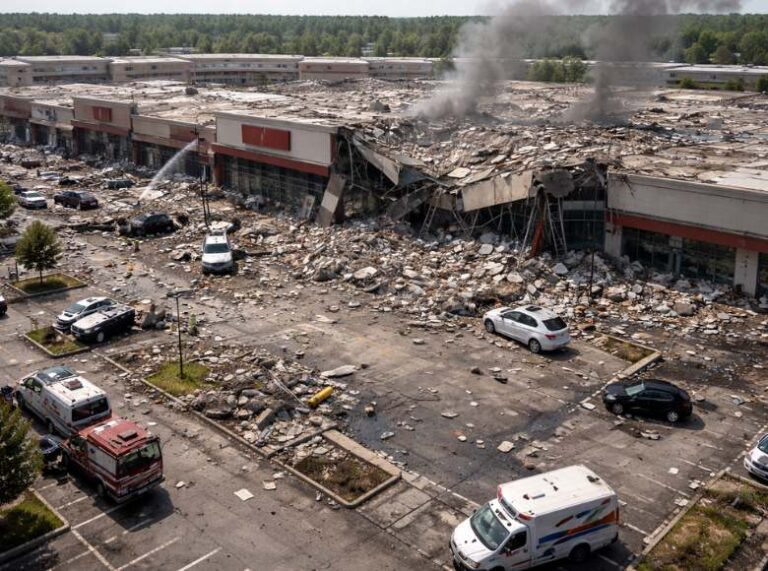
Nowadays in the United States, earthquakes are no longer a rare or distant possibility. These events can strike without warning in many regions across the country—from the West Coast and the Pacific Northwest to central seismic zones and areas such as Utah. For example, a magnitude 3.3 earthquake was recently felt across northern Utah after striking near Huntsville, serving as a reminder that seismic activity can occur even in areas not traditionally associated with major earthquakes.
When the ground stops shaking, damage assessments must be completed. What may appear to be minor surface cracks can conceal far more serious structural failures, with significant damage remaining hidden behind walls, beneath floors, and within critical building systems. For many property owners, the true aftershock comes later, when they discover that their insurance settlement covers only a fraction of the actual earthquake damage due to overlooked issues or underestimated repair costs.
Below is a complete guide on what to do after an earthquake damages your property, what your insurance claim may cover, and how experienced public adjusters like Continental Adjusters can help protect your financial recovery anywhere in the United States.
What Is Earthquake Property Damage?
Earthquake property damage occurs when seismic waves cause ground shaking that impacts buildings, utilities, and personal belongings. Damage can range from minor cosmetic cracks to severe structural failures and hidden issues that may worsen over time. In many cases, the full extent of damage is not immediately visible, making early inspection and assessment critical.
Common Types of Earthquake Property Damage
Structural Damage
- Foundation cracks, shifting, or settlement
- Damage to load-bearing walls
- Collapsed chimneys or exterior walls
- Roof displacement or structural weakening
Utility & System Damage
- Broken or leaking gas lines
- Ruptured water and sewer pipes
- Electrical system failures
- HVAC system damage
Interior & Contents Damage
- Shattered windows and glass fixtures
- Fallen ceilings and damaged flooring
- Destroyed equipment, inventory, or furnishings
- Loss of personal or business property
Secondary & Hidden Damage
- Fires caused by damaged gas lines
- Water damage from burst pipes
- Mold growth due to moisture intrusion
- Long-term foundation settlement
Many people believe earthquakes are only a concern in California, but this is a common misconception. According to the United States Geological Survey (USGS), 42 out of 50 U.S. states face moderate to high seismic risk, and approximately 143 million Americans live in earthquake-prone areas. High-risk zones include not only California, but also the Pacific Northwest, Alaska, and the New Madrid Seismic Zone in the central United States.
The financial impact of earthquakes is significant. FEMA estimates that earthquakes cause an average of $6.1 billion in annual building losses across the U.S. The 1994 Northridge earthquake alone caused $44 billion in damage, while the 2014 South Napa earthquake resulted in over $400 million in insured losses.
Despite these risks, less than 13% of California property owners carry earthquake insurance, and coverage rates are even lower in other states. As a result, many homeowners and businesses are left to absorb catastrophic losses on their own after a major seismic event.
Immediate Steps to Be Taken After Earthquake Damage
Step 1: Ensure Safety First
Never re-enter a damaged structure until it has been confirmed safe.
Check for gas leaks (smell or hissing sounds), electrical hazards (sparking or exposed wires), and structural instability (sagging ceilings or leaning walls). If serious structural damage or gas leakage is detected, evacuate immediately and contact emergency services.
Step 2: Document Everything
Do not touch, move, or fix anything initially. First, take photographs and video recordings of all visible damage.
Capture wide shots showing overall damage, close-ups of cracks, breaks, and failures, damaged belongings and equipment, and utility damage (pipes, electrical, gas). Date-stamp all documentation and store backups in multiple locations.
Step 3: Prevent Further Damage
Take reasonable steps to prevent further damage or loss. Do not make permanent repairs before the claim is documented. Keep all receipts for emergency repairs, temporary lodging, and living expenses. These expenses are reimbursable.
Step 4: Report the Loss Immediately
The loss should be reported as soon as possible. Delays in reporting can complicate the process and result in claim denials.
What Is an Earthquake Damage Insurance Claim?
An earthquake damage insurance claim is a formal request made by a property owner to an insurance company for financial compensation after an earthquake damages a residential or commercial property. Earthquakes create sudden ground movement that can severely impact foundations, walls, roofs, and structural systems. Because earthquake damage is typically excluded from standard property policies, these claims are usually filed under a separate earthquake insurance policy or endorsement.
Coverage may include structural damage such as cracked or shifted foundations, collapsed walls, damaged roofs, and compromised framing, as well as interior losses like broken ceilings, flooring damage, fallen fixtures, and damage to plumbing, electrical, and gas systems. Earthquakes can also cause secondary losses, including fires or water damage from ruptured pipes.
For commercial properties, earthquake damage may result in extended downtime and lost income, making business interruption coverage especially important. These claims often involve complex policy interpretation and hidden structural damage, making accurate loss documentation critical.
In a comparable catastrophic loss scenario, Continental Adjusters LLC assisted an office park property after the insurer initially valued the damage at $6.7 million. Despite being retained 10 months after the event, Continental Adjusters LLC conducted a thorough reassessment and negotiated a final settlement of $11.5 million, a 72% increase over the initial offer. This outcome highlights the value of experienced claim representation in managing large-scale disaster-related losses, such as earthquake damage.
What Earthquake Insurance Typically Covers
Earthquake insurance typically covers structural repairs, foundation and framing restoration, repair or replacement of damaged systems, contents and personal property, and additional living expenses.
However, it does not cover pre-existing damage, damage caused by neglect or deferred maintenance, or damage to landscaping and external structures.
Common Mistakes That Reduce Earthquake Claims
There are certain mistakes policyholders make that reduce the value of their earthquake damage claims. These include underestimating hidden or secondary damage and submitting poor or incomplete documentation.
In many cases, affected property owners accept the insurer’s initial estimate without review. Sometimes they fail to identify all covered losses, miss policy deadlines, or delay reporting the claim. These seemingly small mistakes can cost thousands or even millions of dollars. This is why professional assistance is necessary.
Why Are Earthquake Claims Denied or Underpaid?
Earthquake insurance claims are often denied or underpaid due to the complexity of seismic damage and insurance carriers’ strict interpretations of policy terms. Because earthquake damage frequently includes hidden structural issues, insurers may limit payouts by questioning the cause, extent, or scope of the loss. Surface-level inspections and narrow coverage interpretations can result in settlements that fall far short of the actual repair costs.
Insurance carriers may:
- Dispute whether the damage was directly caused by the earthquake
- Claim the damage was pre-existing or unrelated
- Undervalue repair and reconstruction costs
- Apply policy exclusions aggressively
- Offer settlements significantly below the true value of the loss
Due to these challenges, professional representation is critical. Experienced public adjusters can properly document earthquake damage, counter unfair claim practices, and negotiate with insurers to help property owners secure the full and fair settlement they deserve.
How Continental Adjusters Maximizes Earthquake Claims
Continental Adjusters has decades of public adjusting experience to ensure earthquake-related losses are fully recognized and compensated. Their professionals conduct thorough property inspections and detailed policy reviews to uncover all covered damage categories, including hidden structural, electrical, and mechanical damage that insurers often miss. Their team ensures that nothing is left out of the claim. They prepare complete proof-of-loss documents and precise asset valuations, ensuring no detail is overlooked.
Once all earthquake damage is documented, Continental Adjusters handles negotiations with insurers on behalf of policyholders. Their professional advocacy prevents low settlement offers and payment delays, ensuring you receive every dollar you are entitled to for earthquake damage.
FAQs
Is earthquake damage covered under commercial property insurance?
Only if the policy includes a specific earthquake endorsement or separate earthquake coverage. It is not covered under standard policies.
What types of commercial properties qualify for earthquake claims?
Offices, retail buildings, warehouses, industrial facilities, hotels, healthcare centers, and multi-unit commercial properties with earthquake coverage.
What commercial damages are commonly included in earthquake claims?
Structural damage, foundation cracks, roof failure, interior damage, equipment loss, inventory damage, and business interruption losses.
Can a business reopen before the insurance inspection?
Yes, but all damage must be thoroughly documented with photos, videos, and records before making temporary repairs.
How long do commercial earthquake claims take to resolve?
Typically, several months to over a year, depending on the severity of the damage, documentation, and the insurer’s response.
Final Thoughts
Earthquake damage is devastating. It disrupts business operations and causes significant physical and financial losses. Understanding insurance policy language, documenting losses correctly, and securing expert claim assistance are critical to obtaining full compensation.
Don’t Let Earthquake Damage Become a Financial Aftershock. Act Now!
If your property has experienced earthquake damage or if you want expert guidance on earthquake insurance coverage, Contact Continental Adjusters today. Our professionals will ensure your claim reflects the true financial impact and you receive the full settlement amount.